
It started in Eden. God gave us a garden filled with wholesome vegetation. Plants are gift to humanity. They feed us, people, and further more they fuel the animal kingdom. Not only plants are the food source for us humans, but they help us with many ailments to improve our health. With copious amount of necessary nutrients, plants including herbs and spices can help us to live healthier, and therefore higher quality lives.
Substantial amount of people are realizing that food industry had failed us. We no longer know what we eat. It is time for us to take food back into our hands and take care of the bodies that God gave us. As the old saying goes: “We are what we eat.”
I have been interested in plants, herbs, spices and natural medicine for quite some time. I have been researching what plant aids to what body misalignment. Research lead me to make notes about our healthy plants. Because our lives are so busy, I merged the information into the most important and short version, where one can quickly see how each plant aids to our bodies.
Every plant on this site starts with bolded information of how it helps with particular conditions. If it is bolded it means that the plant has the highest impact on particular complaints.
Below bolded verbiage you can read additional information with which the plant can help you, including other interesting information.
Poems are here not only to entertain you, but perhaps to help you better memorize the important information about particular plant.
Recipes are aimed at using these herbs, spices and foods, so one can learn slowly to implemented it into daily use. Together we are stronger, therefore I invite you to post additional helpful information, including your own recipes. May love for each other be the center of this site. May God guide us to help each other.
Please note, this site is not here to replace your doctor’s advice.

-
Burdock root
Arctium lappa
Detoxifier, Immune system, Gastrointestinal (Gi), Respiratory, Diabetes, Skin, Antioxidant
Detoxifier – Diaphoretic (fever – promotes sweating), diuretic & blood purifier – removes toxins
Immune system – lymphatic decongestant – stimulates lymphatic drainage and detoxification
Gi – contains inulin = food for healthy bacteria in colon; mucilage – protects lining of the stomach & aids to its healing (gastritis); digestive aid – promotes flow of bile (liver detoxifier); constipation
Respiratory – decongestant and expectorant – cough, cold
Diabetes – increases insulin levels and lowers blood sugar
Skin – polyacetylenes – acne (antibacterial, antifungal); increases circulation to the skin (lignans & arctiin); skin conditions such as eczema (blood purifier); youthful skin (inhibits enzymes that cause wrinkles)
Antioxidant – quercetin, luteolin, phenolic acids, lowers inflammation (joint aid – arthritis, gout), fights free radicals (cancer – pancreatic)
Burdock root carries all of the vitamins and minerals just like the human body does. It has long roots with great amount of detoxification properties. It truly is a “cleaning” root. It can ease up PMS symptoms. It is also known as aphrodisiac that increases testosterone levels and has been used to treat sterility and impotence. It is known as gobo in Asia.
Use:
Root – fresh as a food (raw or stir fried), decoction (dry or fresh), dry root powder, infused oil, extract (skin-topically)
Seeds – harvest in fall; nourish and restore adrenal cortex during access stress; tincture
Young Leaves – fresh in salad (spring)
Stalks – mild flavor – eat as asparagus
Flowers – cut off spikes – stir fried or boiled (early spring)
Contraindication – dehydrated person or if a person takes water pill (diuretic medicine); pregnancy (stimulates uterus); caution when on diabetic medication (increases the insulin and lowers the blood glucose)
-
Mace
Gastrointestinal, Skin, Oral, Circulation, Kidneys, Respiratory, Neuroprotective, Aphrodisiac, Anti-inflammatory, Minerals & Vitamins
Gastrointestinal – stomach infections, gastroenteritis, stimulate digestion, bloating, flatulence, constipation, nausea, diarrhea, appetite enhancer
Skin – eczema, ringworm, irritated skin, itchiness, blackheads, aids to radiant skin
Oral – due to eugenol – toothache, bleeding gums, infections – antibacterial, bad breath, used in toothpaste
Circulation – enhances blood circulation, protects hearth, relaxes blood vessels (lowers blood pressure)
Kidneys – kidney stones
Respiratory – asthma, cough, cold, flu
Neuro-protective – boosts memory, concentration, improves cognitive function, mental exhaustion, stress, anxiety, depression (activates dopamine and serotonin)
Aphrodisiac – increases stamina
Anti-inflammatory – joint pain, arthritis, rheumatism (massage oil)
Minerals & Vitamins – high in iron, manganese, zinc, magnesium, potassium, vitamin C, vitamin A
Cancer
Contraindications: high doses – strong stimulant, hallucinogenic, toxic; pregnancy – can cause miscarriage or fetal defects; nursing
It is an outer shell of the nutmeg that is red and turns yellow as it dries. In India this spice is known as Javitri and it is used in cooking or as a medicine. It is highly fragrant and aromatic due to essential oils. It contains myristicin and elemicin.
anxiety, arthritis, asthma, bloating, concentration, constipation, cook, cooking, depression, digestion, eczema, enhance, flatulence, gas, health, healthy, hearth, india, iron, javitri, joint pain, kidney stones, magnesium, manganese, memory, natural, nutmeg, potassium, rheumatism, ringworm, skin, spice, stress, vitamin a, vitamin c, zinc -
Chickweed
Stellaria media
Arthritis, Skin, Nerve pain, Gastrointestinal (Gi), Blood cleanser
Arthritis – tea or tincture, bath soak – relieves inflammation and pain from arthritis
Skin – rashes, roseola, dermatitis, eczema, hives, shingles, varicose veins – crushed leaves poultice , bath soak
Nerve pain
GI – constipation (strong decoctions have purgative action), eases digestive pain
Cleanser – flushes, tonifies, feeds lymphatic system, detoxifies and purifies blood, tetanus, boils, herpes, venereal disease (STDs)
Use: aerial parts – flowers, leaves and young shoots raw or cooked (don’t eat too much of it raw, it may cause diarrhea and vomiting); fresh or dry; best to harvest early morning or late in the evening
It is usually grown to feed chickens. Tropical chickweed’s latin name is Drymaria cordata.
Contraindication: pregnancy
-
Oxalis
Vitamin C, UTI, Fever, Stomach, Liver, Skin, Mouth, Antidote
Vitamin C – high amount – treats scurvy, helps with flu
UTI – treats urinary tract infection
Fever – cooling effect
Stomach – enteritis, hookworms in kids
Liver – liver problems
Skin – use topically for cuts, scrapes, rashes, boils, acne, insect bites, burns, skin infection
Mouth – mouth sores and ulcers (swoosh mouth with tea)
Antidote – antidote for snake bites, datura, mercury and arsenic
Use: all parts of the plant
Oxalis is also called Yellow Wood Sorrel or Sour Grass due to its sour taste. There are around 850 different species. It is considered a weed.
Oxalis contains also vitamin B and potassium. It is high in oxalic acid (see below for contraindications). It has anti-inflammatory, antioxidant, diuretic properties. If it is used long term, it can inhibit body’s ability to absorb calcium. It is a great addition to salads, or a snack. It can be boiled in water for a yellow dye color.
Contraindications: due to high levels of oxalic acid avoid if you have kidney stones, kidney failure, gout, rheumatism, arthritis
-
Onion Soup
Allium cepa

Onions – potassium, vitamin C, B vitamins, heart, cancer, kill germs, diuretic, anti-inflammatory, analgesic, expectorant, anti-rheumatic
Kill germs (sulphur compounds such as allicin and alliin; add onions to meat to fight bacteria in meat; cold, flu, cough; apply to skin to fight fungus, yeast and parasites or soothe the sting from insect bites); oral infection, tooth decay; earache;
Heart (flavonoids – f.e. quercetin=lowers cholesterol therefore decreasing the risk of heart attack or stroke) (sulfur compounds – lower BP and prevent blood clots=antiplatelet effect), fight
Cancer (primarily stomach cancer, but also lung cancer and breast cancer=quercetin is antioxidant=helps fight free radicals that damage cells and cause cancer + sulfur inhibits tumors).
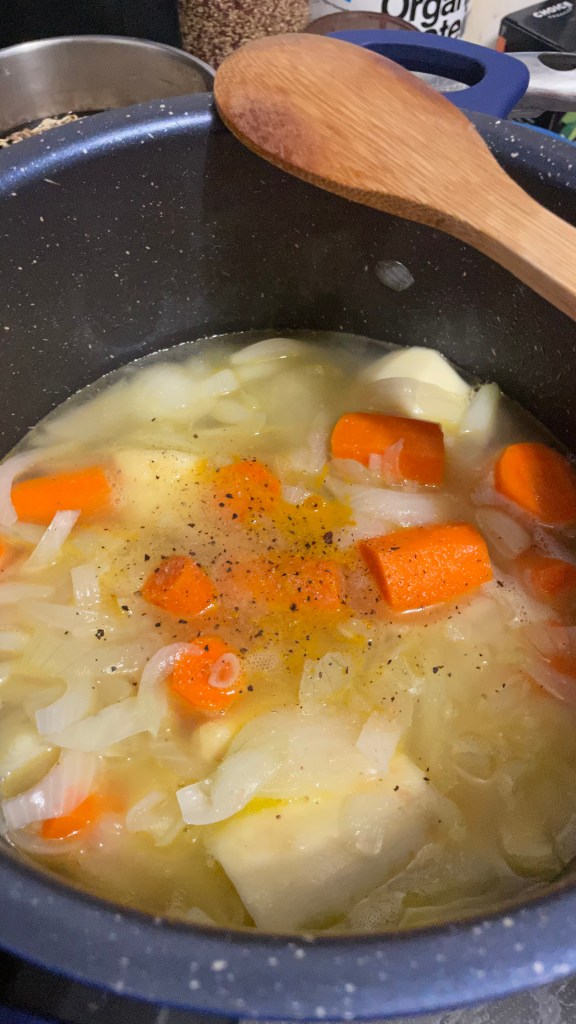
Recipe
Onions 4-5
Carrots 3 (larger)
Parsnip 1 (larger)
Olive oil
Tea (any mild tea would do; this time I had a Coldsfoot ready – great for cough and antibacterial). I always use tea than just a water for added benefits, or at least a water from cooked potatoes.
Salt to taste
Pepper to taste
Turmeric pinch (not to over power the soup)


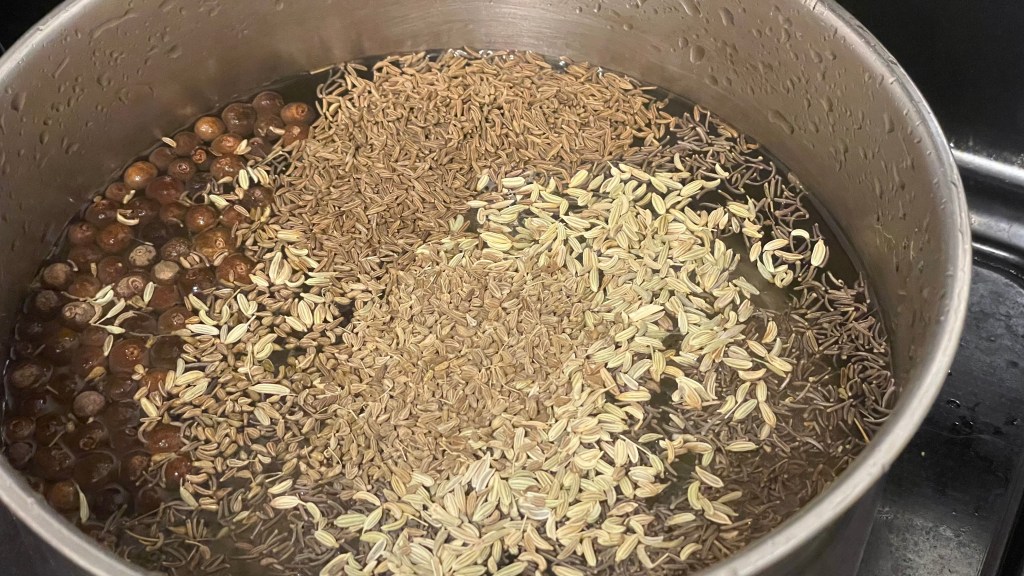
Optional-digestion mix: great for digestion
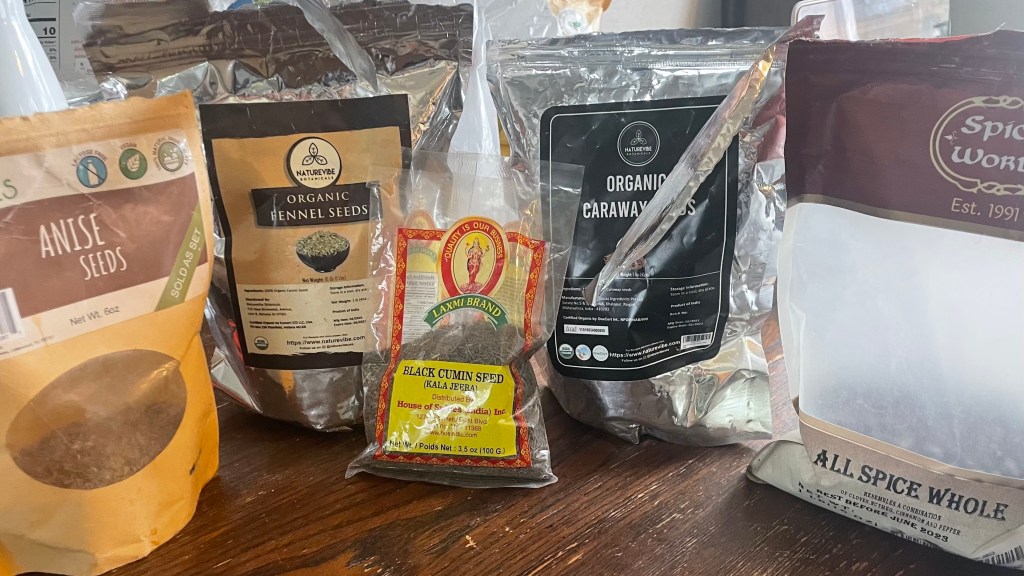
Mix of Anise, Fennel, Cumin, Caraway seeds and All Spice (whole)
Cook in a cup and half or so water. Strain and add the liquid to soup.
- Cut onions
- Peel and cut carrots (each to 3-4 pieces)
- Peel and cut parsnip (3-4 pieces)
- Add all in the pot with olive oil and saute till onions are a bit softer
- Pour in a tea
- Add salt, pepper, turmeric
- Add digestion mix (optional)
- Bring to boil
- Remove parsnip (optional)
- Mix if desired (I mix it for kids, else they would not ingest onion pieces)
- If you are feeling adventurous, sprinkle ground cinnamon on top of the soup.

-
Solomon’s Seal
Polygonatum biflorum
Tendons, Muscles, Bones & Ligaments Aid, Arthritis, Wounds/Skin, Gastrointestinal (GI), Respiratory, Reproductive, Neuroprotective, Blood glucose
Tendons, Muscles, Bones & Ligaments Aid – stimulates tissue repair, tendonitis, joints, stretched (overused) muscles or ligaments. Apply root tincture to the area 2-3 times a day.
Wounds/Skin – stimulates tissue repair, dry skin, wounds, boils, hemorrhoids, acne, skin redness or bruising (f.e. black eye)
GI – GI irritation and sores, dysentery (root has mucilaginous properties); cold infusion tea – indigestion, heart burn, inflammation of the GI, diarrhea, ulcers
Respiratory – tuberculosis, expectorant properties (loosens mucus), cough (dry and productive), respiratory infections, sore throat, bronchial congestion – best is to use cold infusion tea for respiratory issues
Reproductive – men and women, vaginal dryness, menstrual issues such as cramps, menopause, fertility problems, premature ejaculation
Neuroprotective – use for brain fog – helps with focus and mental clarity
Blood glucose – lowers blood sugar
Use: root as a tincture, tea or make a salve or balm. Roots can be soaked in water and prepared like potatoes and eaten. Roots can be also dried and used as flower. Young shoots can be prepared like asparagus. Berries should not be eaten (only a small quantities) because they can induce diarrhea and vomiting.
Contraindictaions: before and after surgery due to sugar lowering properties; caution with diabetes (lower blood sugar); do not take if pregnant.
Use it for short period of time.
It grows from rhizomes underground. The true one has bell-shaped flowers hanging from the leaves vine in straight line (the species we use). False one has flowers at the end only.
-
Dill
Anethum graveolens
Gastrointestinal tract (GI), Antioxidant
GI – indigestion, flatulence (take dill seeds infusion before meal), IBS, colic (infusion for colicky babies), menstrual cramps (great in combination of cramp bark), spasms
Antioxidant – lowers inflammation
Use: leaves, seeds, essential oil
Dill also stimulates mother’s milk flow and has calming effect on both mothers and babies. One can chew on leaves or seeds to get rid of bad breath. If the seeds are chewed on over the period of long term, the cause of the problem is addressed and permanently taken care of. It can be added to cold and flu remedies. It contains vitamin A, C and magnesium. Dill is high in calcium that helps protect bone health. Dill is also a mild diuretic which means that it helps body to remove extra water.
S/E: can cause sensitivity to sun in some people – rash may appear
antioxidant, baby, calcium, dill, flatulance, food, gastric, gi, healer, healing, herb, IBS, indigestion, medicine, menstrual cramps, milk flow, mothers milk, natural, plant, stomach, vitamin a, vitamin c -
Lemongrass
Cymbopogon citratus
Antibacterial, Oral, Anti-fungal, Anti-inflammatory, Anti-pyretic, Digestive Aid, Calming, Antispasmodic, Antiseptic and Astringent, Repellent, Fragrance
Antibacterial – Oral health – chew on leaves for bacterial cavities, gingivitis; cold, cough
Anti-fungal – yeast and thrush (drink tea for 10 days)
Anti-inflammatory – blocks sensation of pain such as arthritic pain, headache, stomachache, abdominal pain, muscle pain (topically diluted in carrier oil; aromatherapy)
Anti-pyretic – also called fever grass – helps cool down the body and lowers fever, increases sweating
Digestive Aid -relaxes muscles of the stomach and gut, relieves cramping pain, flatulence, nausea, vomiting
Antispasmodic – stomach and intestinal spasms (pain) slows peristalsis (helps with diarrhea), convulsions
Calming – stress reliever, anti-anxiety
Stimulate the uterus and menstrual flow – PMS, hot flashes, menstrual cramps
Repellent – mosquitos
Lemongrass can aid with exhaustion by stimulating production of red blood cells. It can lower cholesterol. It is a diuretic that flushes kidneys, therefore one should not take it if he or she is on diuretic medication (risk of loosing potassium). In a study, back in 2012, lemongrass lowered systolic blood pressure and heart rate, increased diastolic blood pressure. Lemongrass is used in many soaps and cosmetics for its wonderful citrusy smell.
Contraindication: pregnancy (promotes uterine contractions, which can lead to miscarriage), if you take diuretics or have low potassium levels, if you have low heart rate.
-
Turmeric Mix
Turmeric has ingredient curcumin, that has a strong anti-inflamatory properties (also antioxidant, antibacterial and anti-fungal). Unfortunately, on its own, it is not well absorbed by the body (into blood stream).
For better absorption it needs to be mixed with:

1) Black pepper – main compound is peperine which makes curcumin easier to pass through intestinal wall into blood stream (over 100%). Also possibly slows down the break down of curcumin by the liver, which means that it stays longer in blood stream. Piperine has also anti-inflammatory and anti-arthritic properties (it desensitizes certain pain receptor).
2) Fat – because curcumin has low solubility in water, you can use oils such as coconut oil, flaxseed oil (I use flax seeds) to increase curcumin’s absorption.
3) Cottage cheese – it is fat and it is high-protein food = digests slowly, so it stays in the intestines for longer time, therefore more turmeric can get absorbed.
4) Quercetin – plant pigment (flavonoid) increases absorption of curcumin and its medicinal properties. Dark foods such as red wine, red grapes, green tea, cranberries, blueberries, plumbs, goji berries, spinach, broccoli.
Make yourself a yummy mix in a bowl from above mentioned ingredients to ease your inflammation (arthritic pain). Add a generous amount of black pepper to this mix.
- cottage cheese
- turmeric (generous amount)
- black pepper (generous amount)
- fat (f.e. flax seeds, coconut oil)
- quercetin (see above – I added goji berries)
Skin is the body’s largest organ and it can absorb valuable necessary nutrients. Golden paste is known to help topically with inflammatory pain. You can make it with above mentioned ingredients but leave out the cottage cheese. Internet is filled with various golden paste recipes that you can ingest and use topically on the affected area.

